

About Responsible Wood Products
What is Responsible Wood Products?
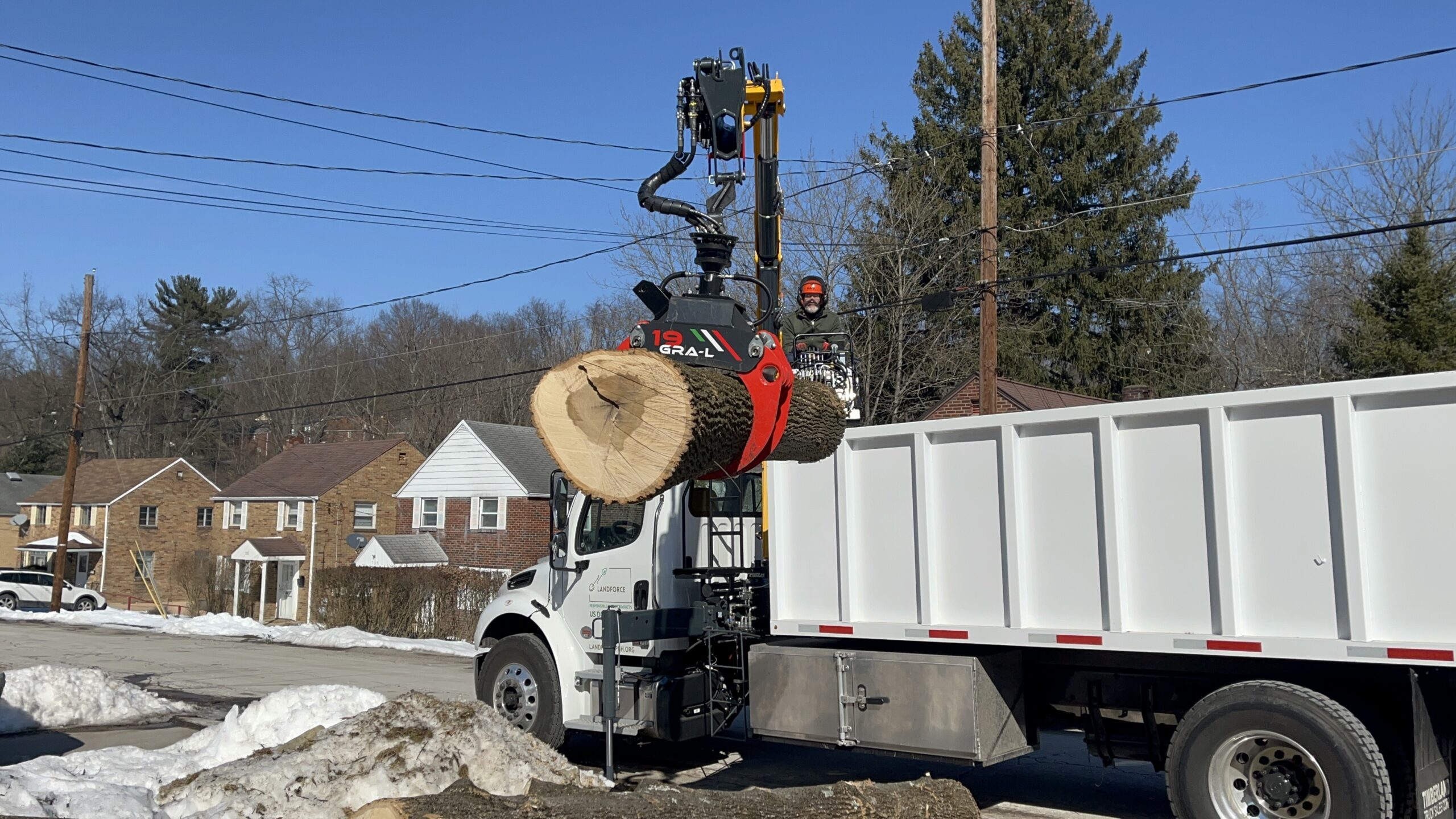
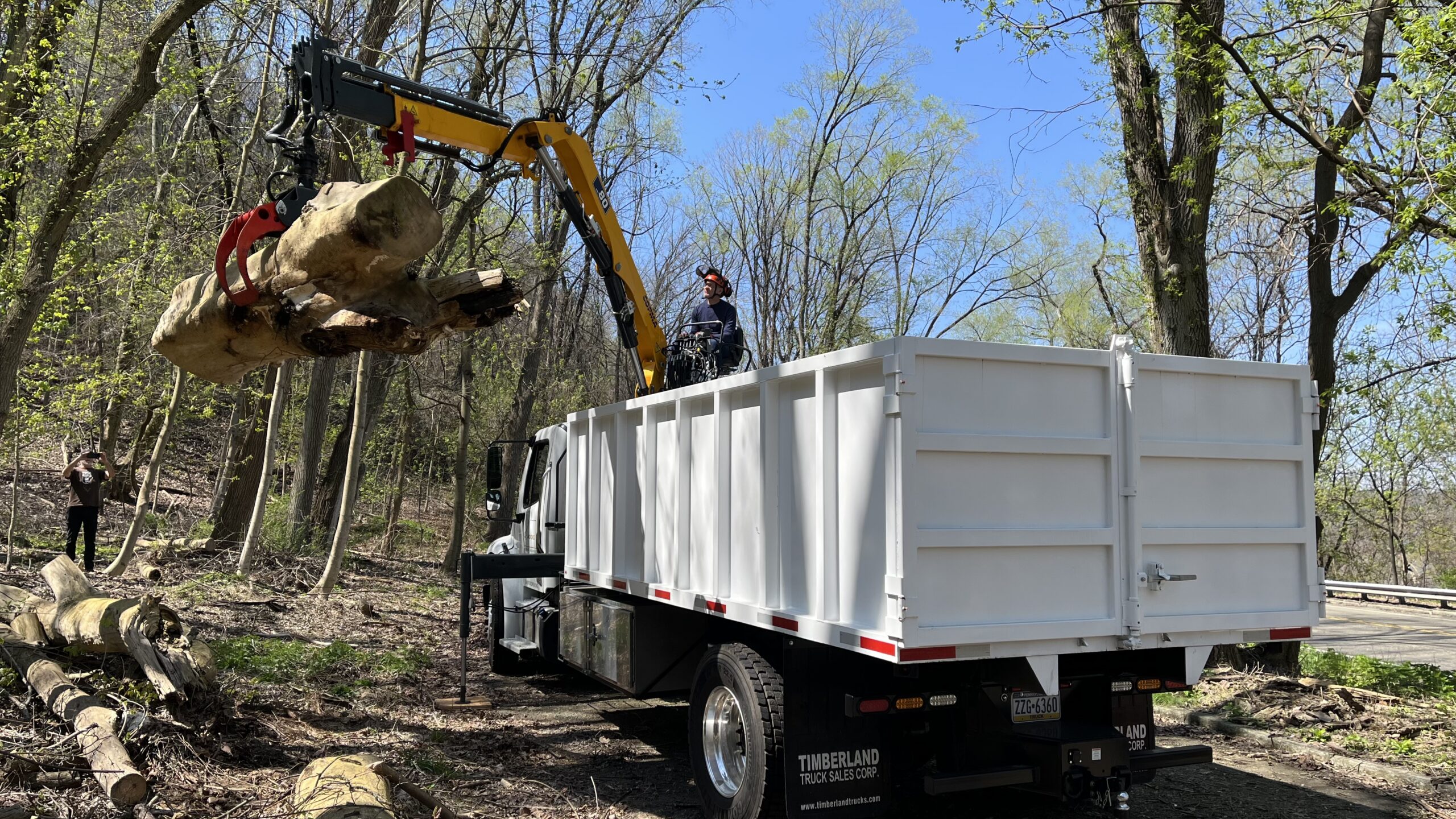
Responsible Wood Products (RWP) is one of two Landforce social enterprises that provide workforce training while creating lasting environmental impact. RWP creates wood products sourced from logs we recover from Pittsburgh-area communities.
We recover logs from urban trees scheduled for removal by certified tree service companies. Without recovery, these logs might be sent to landfills or turned into firewood or wood chips. When wood decomposes in a landfill, it can release carbon dioxide and methane, contributing to greenhouse gas emissions. By transforming these logs into lumber and other useful products, we extend the life of the wood, keep valuable materials out of landfills, and store carbon for longer.
Decomposition or burning releases the tree’s carbon back into the atmosphere. By removing this log from the waste stream, Landforce retains the carbon captured within the tree’s lifetime by turning the log into kiln-dried lumber for personal and professional use. Ultimately we will also use waste from the milling process to create biochar, a soil amendment that helps to remove toxins from soil, improve water filtration and soil quality.

Types of Wood Products and Services Offered
Because RWP does not fell any trees, we have limited control over which species of trees enter our possession. Common species that we find in Southwestern PA are oak, maple, poplar, pine, spruce, cedar, locust, although occasionally we have access to more unusual wood as well.
Current services we provide are custom milling, kiln-drying, material transportation, chipping, and wood splitting.
How RWP Creates Value from Locally Sourced Trees
RWP's practice of creating value-added products starts by discussing recovery with the property owner and the certified arborist to ensure the logs are usable when we pick them up. We aim to recoverlogs in a timely manner. Our experienced sawyer then chooses how to mill the log to yield the best return with minimal waste. Once milled, the boards, beams, and other dimensional lumber are organized into stacks to allow airflow to start the natural drying process. Using a moisture content meter, we monitor the moisture levels of boards for months (and sometimes up to a year) until the lumber has dried enough to enter our vacuum kiln. Once properly kiln-dried, the lumber is now ready for retail purchase. Sometimes the property owner may want the lumber for a particular project, and we’d be happy to discuss this prior to pickup.